Root Canals Explained: What Patients Should Know Before Treatment
Learning that a root canal is necessary often brings a mix of questions and hesitation, but this common procedure is often the last chance at saving a natural smile. While old myths portray the experience as difficult, modern dental care transforms it into a path toward lasting relief and oral stability. When a tooth faces a deep-seated struggle, root canals are the most effective way to restore health and function.
Why root canals are necessary
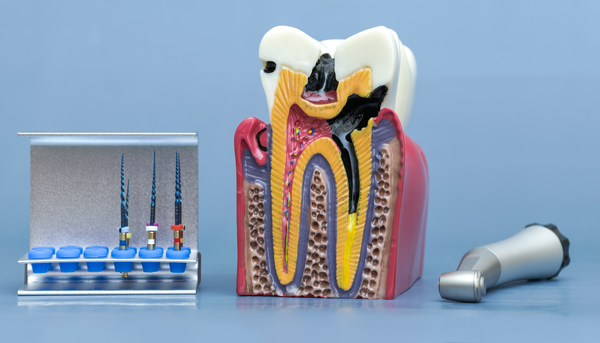
Deep within the protective layers of enamel and dentin sits the heart of the tooth, a space filled with sensitive tissues and essential nerves. When bacteria enter this inner chamber through a crack or a deep cavity, the resulting pressure often creates significant distress. This internal inflammation does not possess the ability to heal without professional assistance, making intervention necessary to stop the spread of discomfort. Root canals provide the specific solution needed to remove the source of the pain and preserve the original tooth structure. By addressing the problem at its core, the dental team ensures the tooth remains a functional part of the mouth for years to come.
What to expect during an evaluation
Every root canal process begins with a detailed look at the unique anatomy of the patient's mouth through high-resolution digital scans. These images allow the dentist to see the exact shape of the internal canals and the extent of the inflammation around the roots. This clarity removes the guesswork and ensures that the treatment targets the precise areas requiring attention. They also check the health of the surrounding bone to confirm that the tooth has a strong foundation for a new restoration. Having a clear map of the internal landscape makes the entire process more predictable and efficient.
Clearing the path for preservation
The primary aim of root canal treatment is the thorough removal of the damaged internal tissues that cause pain and infection. This cleaning clears the narrow channels within the roots, ensuring that no infection or bacteria remain to cause future trouble. After the dentist completely sanitizes the space, they fill it with a flexible, rubber-like material that seals the tooth against any new bacterial visitors. Root canals effectively reset the tooth, allowing the surrounding tissues to begin their natural healing process.
Next, the dentist will temporarily seal the tooth to prevent it from breaking down while a permanent restoration, likely a crown, is fabricated by an off-site lab. It is normal to feel a sense of relief almost immediately after the pressure from the infection on the jaw is relieved. While the tooth is no longer "alive" in the traditional sense, it still functions well for chewing and maintains the natural alignment of the smile.
Reinforcing the tooth for the future
Considering a tooth without its internal core is often more fragile, a final protective layer is usually necessary to ensure it can handle the daily grind of eating. As mentioned, the dentist or an off-site dental lab will fabricate a custom-fitted crown that acts as a permanent shield, wrapping around the natural structure to prevent future cracks or breaks. This crown is designed to match the color and shape of the existing teeth, making the restoration virtually invisible to anyone else. Without this added strength, a treated tooth might eventually split under the pressure of a normal diet. The crown ensures that the internal work remains protected and the tooth stays functional for a decade or more.
The general dentist and their team take several steps to ensure the final result looks, feels, and functions like a natural part of the smile:
- Precise scans. Capturing the exact dimensions needed for a comfortable and balanced bite.
- High-quality materials. Composite and porcelain provide the strength and shine of real enamel.
- Alignment checks. Ensures the tooth fits perfectly with the rest of the smile.
Dental crowns can last well over a decade with proper care. The dentist will review care tips in great detail during the appointment. As a general rule of thumb, patients should remember to maintain oral hygiene as they would with their natural teeth, avoid alcohol-based or aggressive solutions that can loosen the bond, and avoid sticky or tough foods that can damage the crown.
Schedule an appointment
The idea that the root canal process is a major ordeal is a relic of the past. Today, it is a routine, manageable part of dental care. Root canals are simply a tool dentists use to help people return to a state of comfort and health. If you are experiencing tooth pain or sensitivity to hot or cold, contact Summer Enlow, DDS PC to schedule an appointment.
Request an appointment here: https://www.summerenlowdds.com or call Summer Enlow, DDS PC at (936) 314-2347 for an appointment in our Nacogdoches office.
Check out what others are saying about our dental services on Yelp: Root Canal Treatment in Nacogdoches, TX.
Recent Posts
Want to understand more about the root canal procedure? Good idea. This endodontic treatment fixes any problems taking place within a tooth, which is necessary in order to address any pulp infections. When the pulp of a tooth is infected, it needs to be treated by a dental professional as soon as possible. This is…
Root canals are not very pleasant, but they are often necessary to improve a person’s oral and dental health. These procedures also require the placement of a dental crown, which is done for a few important reasons. If you’re preparing for a root canal, then you may want to read this article. We talk about the…
The role of preventative dentistry is to minimize the risk of future dental issues in patients. Read on to learn some tips that encourage the prevention of oral issues. If you have experienced and treated dental issues in the past, you will attest that it is better to prevent them from happening in the first…
Thinking you are in need of emergency dentistry and the coronavirus (COVID-19) disease is forcing you to stay home? Many people who are in need of dental care wonder what they need to do, as the current COVID-19 crisis has temporarily changed all the rules. One of the more common reasons that someone would be…