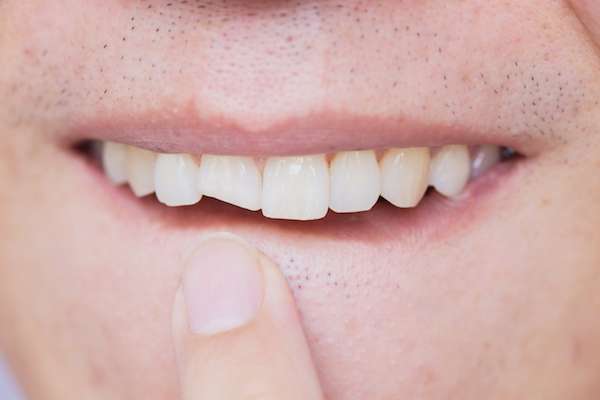
As you think about emergency dentistry and the Coronavirus COVID-19 disease, you may wonder when you can still go to the dentist. Health and government leaders have closed many businesses to promote social distancing. However, you should not hesitate to get immediate care for serious oral health issues. Among these are times when you may have a fractured tooth.
Emergency vs. non-emergency
Most dental offices in the U.S. have stopped making appointments for routine care. Local regulations are allowing offices to stay open to meet patients’ emergency needs. Examples of non-emergency visits include wellness checkups, filling minor cavities and teeth whitening. Patients should consider emergency dentistry and the Coronavirus COVID-19 disease issues before calling the dentist.
Conversely, emergency care is still available. People with severe toothaches should still come in for treatment. Jaw pain, swollen and bleeding gums, and damaged teeth should also get attention. Patients with these issues should be able to get in on the same day they call.
Why a broken tooth is an emergency
Anyone who has ever broken a tooth knows the problems this poses. A fractured tooth can cause considerable pain and make the tooth prone to falling out. It is more likely for such a tooth to decay or become infected. It is difficult to eat with a broken tooth as well. Because dentists recognize the importance of emergency dentistry and the Coronavirus COVID-19 disease precautions, offices are following American Dental Association guidelines to protect patients who come in for treatments.
Treating broken teeth
Prompt attention is required for a fractured tooth. The faster a dentist can evaluate a patient with this condition, the more likely the person can avoid infections. The dentist will first take X-rays of the patient’s teeth to assess the extent of the damage. Then, the dentist will discuss treatment options with the person.
The dentist may use a filling or bonding to fix a small fracture. For larger breaks, the dentist may use a crown. This natural-looking artificial tooth covers the natural one, restoring the person’s ability to chew. If a front tooth suffers a break, the dentist can attach a porcelain veneer to it. This thin shell will be the same color and shape as the surrounding teeth.
The consequences of waiting
Patients who worry about emergency dentistry and the Coronavirus COVID-19 disease connections may decide to wait for dental treatment. Putting off a visit to the dentist’s office for a broken tooth can affect the person’s oral health and overall well-being. The tooth can be extremely painful and interfere with routine tasks. Also, an untreated infection can eventually spread throughout the entire body.
Emergency dentistry and the Coronavirus COVID-19 disease: make the right choice
If you break a tooth, know that your dentist is ready and willing to help. Even during these uncertain times of the coronavirus pandemic, your oral health matters. Call an emergency dentist near you right away if you break a tooth. The dentist will take your wellness seriously and will do everything possible to limit your COVID-19 exposure. Get the relief you need today.